

Mumbai (Maharashtra) [India], January 21: Once upon a time, a Dutch oven was a thing you inherited, not desired. It sat in the corner of a kitchen like a dependable but unphotogenic relative—useful, uncomplaining, and absolutely not trending. Fast-forward to 2026, and that same hulking pot is now centre-stage: colour-coordinated, algorithm-approved, and casually flexed on
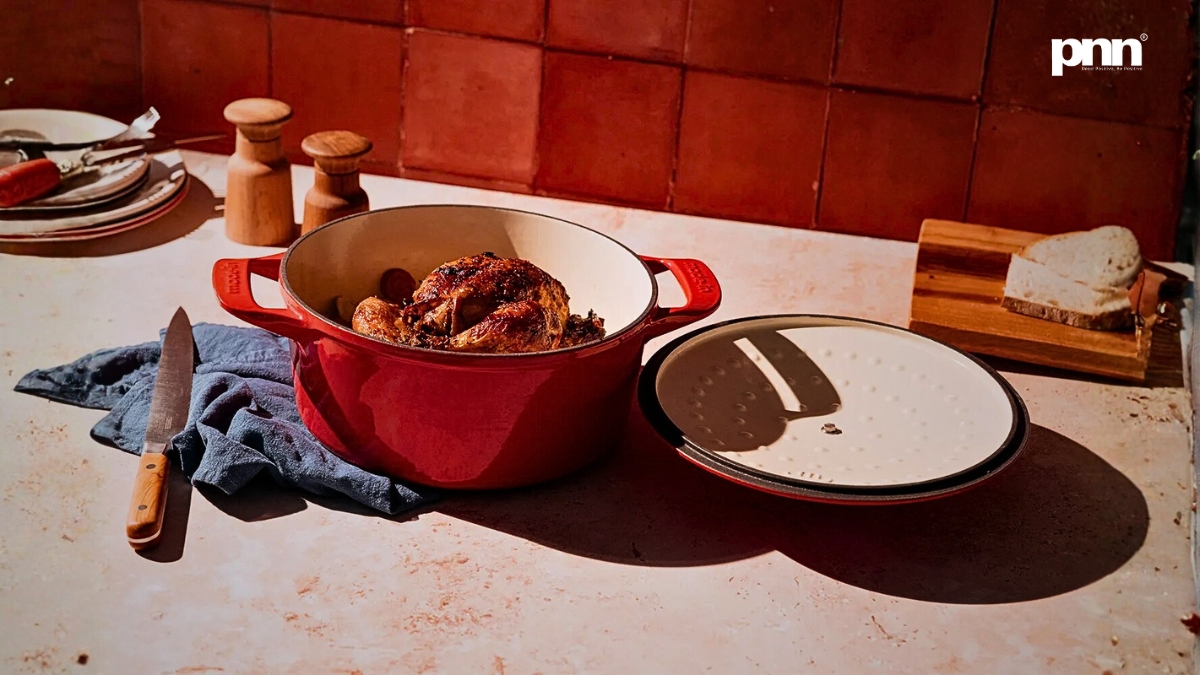
Mumbai (Maharashtra) [India], January 21: Once upon a time, a Dutch oven was a thing you inherited, not desired. It sat in the corner of a kitchen like a dependable but unphotogenic relative—useful, uncomplaining, and absolutely not trending. Fast-forward to 2026, and that same hulking pot is now centre-stage: colour-coordinated, algorithm-approved, and casually flexed on kitchen counters like a badge of domestic credibility.
Somewhere between climate anxiety, burnout culture, and the collective rediscovery of soup, Dutch ovens stopped being cookware and started being cultural artefacts. Not loudly. Not dramatically. Just… inevitably.
And yes, there’s something faintly absurd about a 6-kg cast-iron vessel becoming a lifestyle statement. But here we are.
From Survival Tool To Social Signal
The Dutch oven’s backstory is not glamorous. Its origins trace back to 17th-century Europe, where cast iron cooking pots were prized for durability and heat retention—features that mattered more than aesthetics when people cooked to survive, not to style a reel.
For centuries, the formula remained unchanged: thick walls, enamel coating (later innovation), and the quiet promise that whatever you put inside would eventually become edible, if not impressive.
Then modern kitchens happened. Open shelving happened. Instagram happened. And suddenly, cookware was no longer allowed to hide.
What changed wasn’t the pot. It was the audience.
When Kitchens Became Personal Branding
The pandemic years rewired domestic spaces. Kitchens became offices, therapy rooms, content studios, and occasionally, actual kitchens. Cooking wasn’t just nourishment—it was ritual, control, and sometimes, escapism.
Enter the Dutch oven:
-
Heavy enough to feel serious
-
Timeless enough to feel ethical
-
Expensive enough to feel intentional
For Gen Z and millennials, especially urban renters and first-time homeowners, the pot symbolised something deeper than stew. It whispered: I care. I slow down. I own at least one thing that will outlive me.
Minimalist kitchens suddenly needed an anchor. The Dutch oven volunteered.
Design Object Disguised As Utility
Manufacturers noticed. Colours became mood boards. Shapes softened. Limited editions dropped with the subtle aggression of streetwear launches.
Earthy sage. Muted terracotta. Coastal blue. Suddenly, the Dutch oven wasn’t just heat-resistant—it was algorithm-friendly.
Design schools might not teach this, but lifestyle marketing figured it out quickly:
If it looks good on a countertop, it will sell better than something that hides in a drawer.
Sustainability, But Make It Aesthetic
One of the strongest arguments for Dutch ovens is longevity. A well-made cast iron pot can last decades—sometimes generations. In an era of fast furniture and disposable appliances, that matters.
But let’s not pretend it’s all virtue.
Yes, it’s sustainable in theory.
No, it’s not cheap.
And yes, mining, enamel production, and global shipping still exist.
The sustainability narrative works because it aligns neatly with optics. Owning one durable item feels better than confronting systemic overconsumption. The Dutch oven offers a manageable form of environmental participation—buy once, feel responsible, move on.
Sarcastic? A little. Untrue? Not really.
The Comfort Food Renaissance
Design alone didn’t resurrect the Dutch oven. Food culture did.
Slow cooking returned just as fast living lost its charm. Long-simmered broths, no-knead bread, one-pot meals—all perfectly suited to cast iron’s strengths.
The irony? These recipes are old. The documentation is new.
What used to be passed down through family kitchens is now captioned, filtered, and posted. The Dutch oven became the visual shorthand for “real cooking” in a digital age obsessed with proof.
Internal Link Suggestion: Read: Why Slow Food Is Winning In A Fast Content Economy
The Price Of Aesthetic Authenticity
Now for the inconvenient part.
Premium Dutch ovens are expensive. Sometimes unjustifiably so. Prices can range from reasonable to borderline theatrical, depending on branding, country of manufacture, and how poetic the product description feels.
For many young consumers, this creates a contradiction:
-
Cookware marketed as everyday
-
Priced like a luxury accessory
The result? A quiet class divide in kitchen culture. The pot meant to symbolise warmth and inclusivity occasionally ends up gatekeeping the very nostalgia it sells.
And cheaper alternatives? They exist—but they don’t trend the same way. Algorithms have taste. And taste, it turns out, is selective.
Pros And Cons At A Glance
Pros
-
Long lifespan and durability
-
Excellent heat retention and versatility
-
Strong aesthetic and resale value
-
Aligns with slow living and mindful cooking trends
Cons
-
High upfront cost
-
Heavy and impractical for some users
-
Sustainability narrative is often oversimplified
-
Trend-driven pricing inflates accessibility gap
Social Media Didn’t Invent It—But It Amplified It
The Dutch oven didn’t go viral overnight. It simmered into relevance.
It appears casually in the background of cooking videos. It sits confidently beside ceramic bowls and linen aprons. It doesn’t scream for attention. Which, ironically, is exactly why it gets it.
In a digital world drowning in novelty, permanence feels rebellious.
And nothing says permanence like a pot that weighs as much as your unresolved emotional baggage.
The Emotional Economics Of Heirloom Objects
There’s a deeper psychology at play here.
Younger generations—priced out of real estate, stability, and predictable futures—are investing emotionally in objects that feel permanent. If you can’t own land, you can own something that acts like it might be inherited.
The Dutch oven promises continuity. It’s not just cookware. It’s a narrative device.
I may not know where I’ll live in five years, but this pot will still cook.
That matters.
Where The Trend May Crack
Trends always overheat eventually.
Already, signs of saturation are visible:
-
Too many colours, not enough restraint
-
Influencer fatigue
-
A shift toward lighter, modular cookware for smaller homes
The Dutch oven won’t disappear—but its design-moment dominance may cool. It will return to what it does best: quietly existing, occasionally admired, rarely replaced.
Which, frankly, is a better legacy than most trends get.
The Final Stir
The Dutch oven didn’t chase relevance. It waited.
In a culture obsessed with speed, that patience reads as sophistication. In a market addicted to novelty, repetition feels radical. And in kitchens designed as much for cameras as for cooking, authenticity—real or curated—still sells.
Is it just a pot? Yes.
Is it more than a pot? Also yes.
And if that sounds ridiculous, remember: culture has always been built on ordinary objects carrying extraordinary meaning. Sometimes it’s a crown. Sometimes it’s a car. And sometimes, it’s a very heavy, very photogenic piece of cast iron.