
New Delhi [India], November 14: An unfurnished home needs a few things before it needs matching furniture: somewhere to sleep, a usable bathroom and a way to prepare food. Start there. You can live without a centre table for a while, but discovering that you have no curtains or bucket on your first evening is less enjoyable.
Furnish around your daily routine, then add the pieces that make the place feel like yours. Here is a practical order to follow.
Check What the Home Already Has
Before shopping, walk through every room. In India, an unfurnished flat might have kitchen cabinets and wardrobes, while another might offer little beyond lights and fans. Confirm what is included with the landlord.
Check taps, sockets, door locks and bathroom fittings. Photograph existing damage and report it before moving your belongings inside.
If you rent, ask before drilling into walls or changing fittings. Keep written permission for any agreed changes so there is no confusion when you eventually move out.
Keep these details on your phone:
● Measure room lengths, wall widths and door openings.
● Mark where switches, sockets and windows sit.
● Check the lift and staircase for furniture deliveries.
● Ask the housing society about delivery timings and installation rules.
Make the First Night Comfortable
Pack a separate bag that you can open without searching through cartons. Include toiletries, medicines, chargers, towels, bedsheets and a change of clothes. Keep drinking water, toilet paper and basic cleaning supplies within reach.
For sleeping, choose a mattress that suits your sleeping position and fits your planned bed size. If the bed frame arrives later, follow the manufacturer’s guidance on temporary placement and ventilation, especially during humid weather.
Fit curtains early if neighbouring buildings overlook your windows. Temporary curtains can provide privacy until you settle on permanent ones.
Split Your Budget by Urgency
Moving expenses extend beyond furniture. Delivery, assembly, curtain rods and plumbing work can all add to the bill. Set aside money for these before spending your full budget on large pieces.
Use three lists to keep purchases manageable:
| Priority | What to Buy |
| Buy before moving. | Get bedding, bathroom supplies, drinking water and cleaning essentials. |
| Buy during the first week. | Add cooking equipment, everyday seating and clothes storage if needed. |
| Buy after settling in. | Choose decorative lighting, rugs, artwork and occasional furniture. |
Your priorities can change. If you work from home, a suitable desk and chair might belong on the first list.
Set Up a Kitchen You Can Actually Use
Start with meals you already cook. One saucepan, a kadai, a pressure cooker, plates, cutlery and a chopping board may be enough initially. Add utensils when a regular meal requires them.
Check the cooking connection before buying appliances. Confirm whether you need an LPG connection, an induction hob or compatible cookware. Look at available counter space and socket locations too.
Buy groceries for a few days first. This helps you understand storage space before filling the kitchen with containers.
Plan Seating Around Movement
Mark furniture outlines on the floor with masking tape before ordering. Walk from the entrance to the balcony and between rooms. Doors and drawers should open freely without hitting furniture.
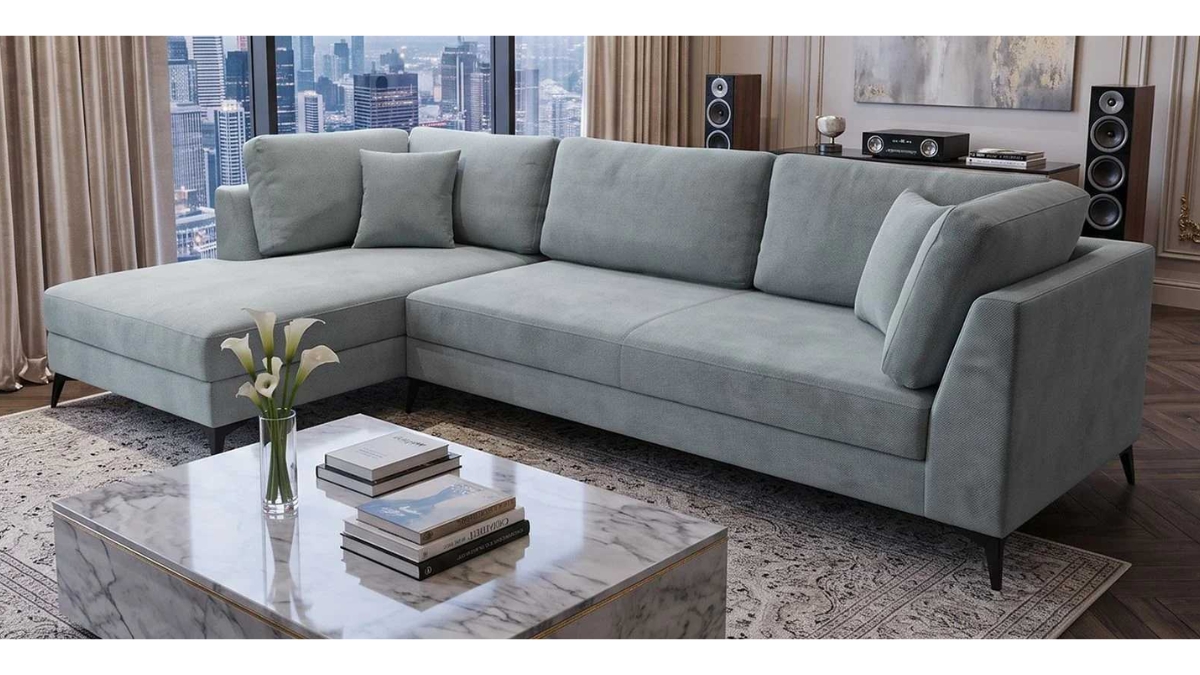
An LHS Sectional Sofas can work well when its longer section follows a suitable wall. Check which side the extended section faces, particularly if a balcony door or passage sits nearby. Its shape alone does not guarantee a good fit.
If you rarely host guests, begin with fewer seats. A chair that moves between the bedroom and living room can be useful while you work out the layout.
Let Storage Follow Your Habits
Unpack everyday belongings before buying extra cupboards. You might discover that existing shelves are enough once boxes are cleared.
Keep frequently used items close to where you need them. Place shoes near the entrance, towels near the bathroom and work supplies beside your desk. Use organisers only after measuring the shelves they will occupy.
Give Yourself Time to Finish
Live in the home before choosing every finishing touch. Notice the daylight, the corners you use and where things collect. Buy gradually. A home becomes comfortable when it supports your day, even while a few walls remain bare.
If you object to the content of this press release, please notify us at [email protected]. We will respond and rectify the situation within 24 hours.